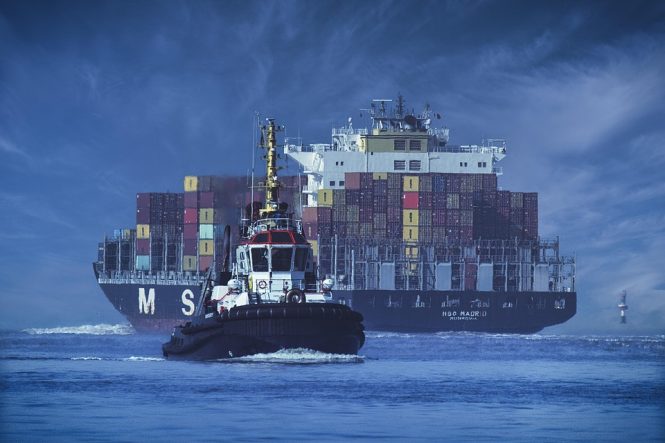
The global market landscape is undergoing a significant transformation, with emerging economies increasingly taking center stage in international trade. For decades, developed economies such as the United States, Europe, and Japan have dominated global trade, setting the tone for international commerce. However, the rise of emerging markets, particularly in Asia, Latin America, and Africa, is redefining the rules of global trade and creating new opportunities for economic growth and cooperation.
Drivers of the Shift
Several factors are driving this shift towards emerging economies. First, many emerging markets have implemented policies to liberalize their economies, invest in infrastructure, and promote trade. This has led to a significant increase in foreign investment, trade volumes, and economic growth. Second, the growing middle class in emerging markets is creating new consumer demand, driving the growth of domestic industries, and increasing trade with other countries. Third, advances in technology, such as e-commerce, digital payments, and logistics, are facilitating trade and connecting emerging markets to the global economy.
Key Players
Some of the key players in this shift towards emerging economies include:
- China: China has emerged as a major trading power, with its exports exceeding $2 trillion in 2020. China’s Belt and Road Initiative (BRI) is also promoting trade and investment in Asia, Europe, and Africa.
- India: India is another emerging market that is gaining prominence in global trade. Its large and growing middle class, combined with government policies to promote trade and investment, are driving economic growth and increasing trade volumes.
- Brazil: Brazil is the largest economy in Latin America and has been actively promoting trade and investment in the region. Its membership in the BRICS grouping (Brazil, Russia, India, China, and South Africa) has also facilitated trade and cooperation with other emerging markets.
- Africa: Africa is also becoming an increasingly important player in global trade, with many countries on the continent implementing policies to promote trade and investment. The African Continental Free Trade Area (AfCFTA) agreement, which came into effect in 2020, is expected to boost intra-African trade and increase the continent’s global trade presence.
Implications
The shift towards emerging economies in international trade has significant implications for global commerce. Some of the key implications include:
- Increased Trade Volumes: The growth of emerging markets is expected to drive an increase in global trade volumes, creating new opportunities for businesses and economies around the world.
- Diversification of Trade: The rise of emerging markets is also leading to a diversification of trade, with more countries and regions participating in global commerce. This is expected to reduce dependence on traditional trade routes and promote more balanced and equitable trade relationships.
- New Opportunities for Investment: The growth of emerging markets is creating new opportunities for investment, particularly in industries such as infrastructure, manufacturing, and services.
- Challenges for Developed Economies: The shift towards emerging economies also poses challenges for developed economies, which must adapt to a changing global trade landscape and compete with emerging markets for trade and investment.
Conclusion
The global market shift towards emerging economies is a significant development that is redefining the rules of international trade. As emerging markets continue to grow and integrate into the global economy, they are creating new opportunities for economic growth, trade, and cooperation. However, this shift also poses challenges for developed economies, which must adapt to a changing global trade landscape and compete with emerging markets for trade and investment. As the global economy continues to evolve, it is likely that emerging economies will play an increasingly important role in shaping the future of international trade.