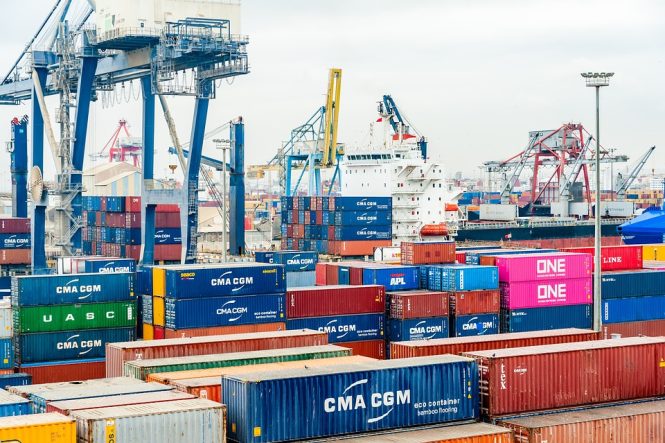
From Local to Global: The Journey of Exporting Your Products
In today’s interconnected world, businesses are no longer limited by geographical boundaries. With the rise of globalization and digitalization, exporting products has become a viable and lucrative option for companies of all sizes. However, the journey from local to global can be complex and challenging. In this article, we will explore the process of exporting products, the benefits and risks involved, and provide guidance on how to navigate the global market.
Why Export?
Exporting products can be a great way to expand your customer base, increase revenue, and diversify your business. By tapping into international markets, you can:
- Increase sales and revenue
- Diversify your customer base and reduce dependence on local markets
- Enhance your brand’s global reputation and visibility
- Take advantage of new market opportunities and trends
- Benefit from economies of scale and reduced production costs
Pre-Export Preparation
Before embarking on the export journey, it’s essential to prepare your business and products for the global market. This includes:
- Market research: Conduct thorough market research to identify potential export markets, target customers, and competitors.
- Product adaptation: Ensure that your products comply with international standards, regulations, and certifications.
- Pricing and costing: Determine competitive pricing and costing strategies for your export products.
- Logistics and transportation: Establish a reliable logistics and transportation system to ensure timely and efficient delivery of your products.
- Payment and financing: Explore payment and financing options that can facilitate international trade, such as letters of credit and export insurance.
Export Strategies
There are several export strategies to consider, including:
- Direct exporting: Selling products directly to foreign customers through your own sales channels.
- Indirect exporting: Partnering with intermediaries, such as distributors or agents, to sell your products in foreign markets.
- Export management companies: Hiring a company that specializes in export management to handle all aspects of the export process.
- Online exporting: Using e-commerce platforms and digital marketing to sell products directly to foreign customers.
Challenges and Risks
Exporting products can be challenging and risky, with potential obstacles including:
- Cultural and language barriers: Understanding local customs, regulations, and language differences.
- Tariffs and trade regulations: Navigating complex trade agreements, tariffs, and regulatory requirements.
- Logistical and transportation challenges: Managing international shipping, customs clearance, and delivery.
- Payment and financing risks: Mitigating the risk of non-payment or delayed payment from foreign customers.
- Competition and market fluctuations: Adapting to changing market conditions and competing with local and international players.
Best Practices for Successful Exporting
To ensure a successful export journey, follow these best practices:
- Conduct thorough market research: Understand your target market, customers, and competitors.
- Develop a comprehensive export strategy: Define your export goals, objectives, and tactics.
- Build a strong international network: Establish relationships with local partners, distributors, and customers.
- Ensure compliance with regulations: Familiarize yourself with international trade regulations, standards, and certifications.
- Monitor and adapt to changing market conditions: Stay informed about market trends, fluctuations, and competitor activity.
Conclusion
Exporting products can be a rewarding and profitable venture for businesses of all sizes. By understanding the benefits and risks involved, preparing your business and products for the global market, and adopting effective export strategies, you can successfully navigate the journey from local to global. Remember to conduct thorough market research, develop a comprehensive export strategy, build a strong international network, ensure compliance with regulations, and monitor and adapt to changing market conditions. With the right approach and mindset, your business can thrive in the global market and achieve long-term success.