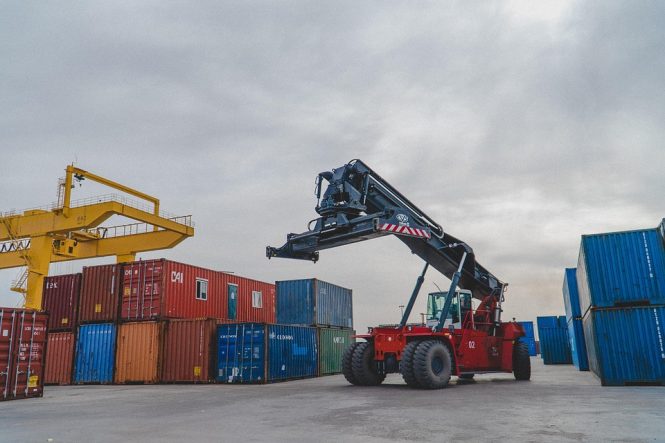
The Future of Exporting: Trends and Opportunities for Your Business
As the world becomes increasingly interconnected, exporting has become a vital component of many businesses’ growth strategies. The future of exporting is filled with opportunities and challenges, driven by technological advancements, shifting global trade policies, and evolving consumer demands. In this article, we will explore the trends and opportunities that will shape the future of exporting and provide insights on how your business can capitalize on them.
Trend 1: Digitalization of Trade
The digitalization of trade is transforming the way businesses export goods and services. E-commerce platforms, online marketplaces, and digital payment systems are making it easier for companies to reach new markets and customers. According to a report by the World Trade Organization (WTO), the value of global e-commerce trade is expected to reach $4.9 trillion by 2025, up from $1.6 trillion in 2015.
Trend 2: Sustainability and Environmental Concerns
Consumers are becoming increasingly conscious of the environmental and social impact of their purchasing decisions. As a result, businesses are under pressure to adopt sustainable practices and reduce their carbon footprint. The future of exporting will require companies to prioritize sustainability, transparency, and ethics in their supply chains and operations.
Trend 3: Shift to Emerging Markets
The rise of emerging markets, such as those in Asia, Africa, and Latin America, is creating new opportunities for exporters. These markets are experiencing rapid growth, urbanization, and increasing demand for goods and services. According to a report by the International Monetary Fund (IMF), emerging markets will account for 60% of global GDP growth by 2025.
Trend 4: Trade Agreements and Free Trade Zones
Trade agreements and free trade zones are being established to facilitate trade and reduce barriers. The Comprehensive and Progressive Agreement for Trans-Pacific Partnership (CPTPP), the European Union’s (EU) free trade agreements, and the African Continental Free Trade Area (AfCFTA) are examples of initiatives aimed at promoting trade and economic integration.
Opportunities for Your Business
- Diversify Your Markets: Expand your export markets to include emerging economies, such as those in Asia, Africa, and Latin America.
- Develop a Digital Strategy: Invest in e-commerce platforms, digital marketing, and online payment systems to reach new customers and markets.
- Focus on Sustainability: Adopt sustainable practices, reduce your carbon footprint, and prioritize transparency and ethics in your supply chains and operations.
- Take Advantage of Trade Agreements: Utilize trade agreements and free trade zones to reduce tariffs, non-tariff barriers, and other trade costs.
- Develop New Products and Services: Innovate and develop new products and services that meet the evolving needs of consumers in different markets.
Challenges and Risks
- Trade Policy Uncertainty: Changes in trade policies, such as tariffs and non-tariff barriers, can disrupt global supply chains and impact exports.
- Currency Fluctuations: Volatility in currency markets can affect the competitiveness of exports and impact profitability.
- Compliance and Regulatory Risks: Ensuring compliance with diverse regulatory requirements and standards can be complex and time-consuming.
- Cybersecurity Risks: The digitalization of trade increases the risk of cyber attacks, data breaches, and intellectual property theft.
Conclusion
The future of exporting is filled with opportunities and challenges. To succeed, businesses must be agile, adaptable, and innovative. By understanding the trends and opportunities outlined in this article, your business can develop a strategy to capitalize on the growing demand for goods and services in emerging markets, leverage digital technologies, and prioritize sustainability and ethics. Remember to stay informed about trade policy developments, currency fluctuations, and regulatory requirements to mitigate risks and ensure compliance. With the right approach, your business can thrive in the evolving landscape of international trade.