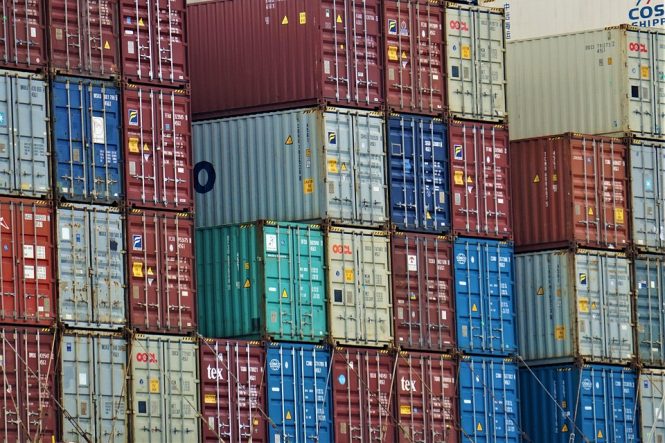
Protectionism on the Rise: How Trade Wars Are Affecting International Relations and Economies
In recent years, the world has witnessed a significant shift towards protectionism, with countries imposing tariffs, quotas, and other trade barriers to protect their domestic industries. This rise in protectionism has led to a surge in trade wars, causing tensions to escalate between nations and affecting international relations and economies. In this article, we will explore the reasons behind the rise of protectionism, its impact on international relations and economies, and the potential consequences of this trend.
Reasons Behind the Rise of Protectionism
One of the primary reasons behind the rise of protectionism is the desire to protect domestic industries from foreign competition. Many countries believe that free trade agreements have led to job losses and economic instability, as companies outsourcing production to countries with lower labor costs. For example, the United States has imposed tariffs on steel and aluminum imports from China, citing national security concerns and the need to protect American jobs.
Another reason for the rise of protectionism is the growing wealth gap between developed and developing countries. Some countries feel that free trade agreements have benefited developed countries at the expense of developing ones, leading to a widening of the wealth gap. For instance, the African Continental Free Trade Area (AfCFTA) aims to promote economic integration among African countries, but some critics argue that it may benefit larger economies like Nigeria and South Africa at the expense of smaller ones.
Impact on International Relations
The rise of protectionism has strained international relations, with countries engaging in tit-for-tat trade wars. The United States and China are currently embroiled in a trade war, with both countries imposing tariffs on each other’s goods. This has led to a significant decline in bilateral trade and investment, and has affected global supply chains. The trade war has also had a ripple effect, with other countries like Canada, Mexico, and the European Union being drawn into the conflict.
The rise of protectionism has also led to a decline in multilateralism, with countries increasingly relying on bilateral agreements and regional trade blocs. For example, the United States has withdrawn from the Trans-Pacific Partnership (TPP) and has instead pursued bilateral trade agreements with countries like Japan and South Korea. This shift towards bilateralism has weakened international institutions like the World Trade Organization (WTO), which has struggled to address the rising tide of protectionism.
Impact on Economies
The rise of protectionism has significant implications for economies around the world. Tariffs and trade barriers can lead to higher prices, reduced consumer choice, and lower economic growth. For example, the trade war between the United States and China has led to higher prices for consumer goods like electronics and clothing. This has affected not only American consumers but also businesses that rely on imported goods, like retailers and manufacturers.
Protectionism can also lead to a decline in foreign investment, as companies become wary of investing in countries with uncertain trade policies. For instance, the United Kingdom’s decision to leave the European Union (Brexit) has created uncertainty about the country’s trade relationships, leading to a decline in foreign investment. This decline in investment can have long-term consequences for economic growth, as companies may choose to invest in more favorable business environments.
Potential Consequences
The rise of protectionism has significant potential consequences for international relations and economies. One of the most significant consequences is the risk of a global trade war, which could lead to a sharp decline in international trade and investment. This could have devastating consequences for economies around the world, particularly those that are heavily reliant on trade.
Another potential consequence is the rise of nationalist and populist movements, which often promote protectionist policies. These movements can lead to a decline in international cooperation and a rise in tensions between nations. For example, the election of Donald Trump as President of the United States was partly driven by a populist backlash against free trade agreements, which were seen as benefiting corporations at the expense of American workers.
Conclusion
The rise of protectionism is a significant threat to international relations and economies. The imposition of tariffs, quotas, and other trade barriers can lead to higher prices, reduced consumer choice, and lower economic growth. The rise of protectionism has also strained international relations, with countries engaging in tit-for-tat trade wars. To address this trend, countries must work together to promote free trade and investment, while also addressing the concerns of those who feel left behind by globalization. This can be achieved through policies like retraining programs, social safety nets, and infrastructure investment, which can help to promote economic growth and reduce inequality. Ultimately, a more cooperative and multilateral approach to trade is needed to address the challenges of the 21st century and promote a more prosperous and peaceful world.