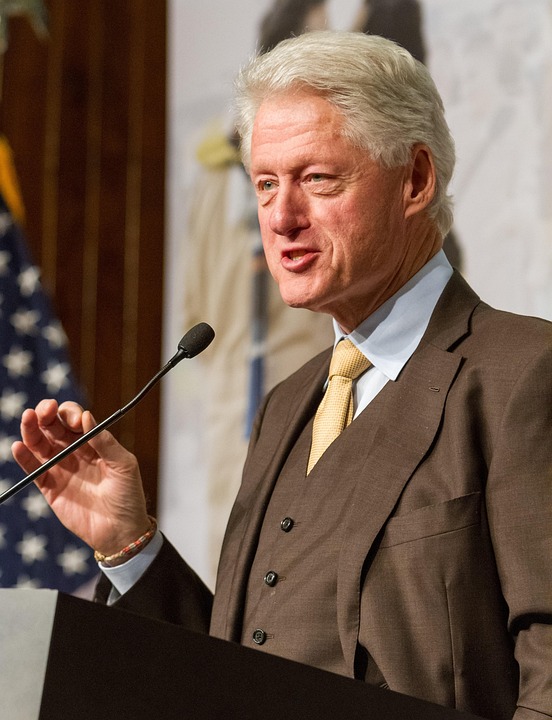
Engaging Your Audience: The Importance of Eye Contact, Body Language, and Tone in Public Speaking
Effective public speaking is a crucial skill in both personal and professional settings. Whether you’re presenting to a small group or a large crowd, your ability to engage and captivate your audience can make or break the success of your message. While the content of your speech is essential, it’s equally important to consider the nonverbal cues that convey your message and build a connection with your audience. In this article, we’ll explore the significance of eye contact, body language, and tone in public speaking and provide tips on how to use these tools to engage and persuade your audience.
The Power of Eye Contact
Eye contact is one of the most important nonverbal cues in public speaking. It conveys confidence, sincerity, and interest in your audience. When you maintain eye contact with your listeners, you create a sense of connection and build trust. Research shows that speakers who maintain eye contact are perceived as more credible, competent, and likeable than those who avoid eye contact.
To use eye contact effectively, make sure to:
- Maintain eye contact with different parts of the audience, rather than focusing on one person or spot.
- Hold eye contact for 2-3 seconds at a time, then look away and return to the audience.
- Avoid staring aggressively or intensely, as this can be perceived as confrontational.
The Language of Body Language
Body language is another critical nonverbal cue that can either support or undermine your message. Your posture, gestures, and facial expressions can convey confidence, enthusiasm, or boredom, and can greatly impact how your audience receives your message.
To use body language effectively, consider the following tips:
- Stand up straight and maintain good posture, avoiding slouching or leaning on the podium.
- Use purposeful gestures to emphasize points and add emphasis to your message.
- Smile and use positive facial expressions to show enthusiasm and interest in your topic.
- Avoid fidgeting, crossing your arms, or displaying other closed-off body language that can give the impression you’re defensive or unapproachable.
The Tone of Your Voice
Your tone of voice is a powerful tool that can convey emotions, attitude, and emphasis. A monotone voice can put your audience to sleep, while a varied and expressive voice can keep them engaged and interested.
To use tone effectively, consider the following tips:
- Vary your pitch, volume, and pace to add emphasis and keep your audience engaged.
- Use a conversational tone that’s friendly and approachable, rather than a formal or lecturing tone.
- Avoid filler words, such as “um” or “ah,” which can distract from your message and undermine your credibility.
- Use pauses and silence to create drama and emphasize key points.
Putting it All Together
Engaging your audience requires a combination of eye contact, body language, and tone. By using these nonverbal cues effectively, you can build a connection with your audience, convey confidence and sincerity, and deliver a message that resonates with your listeners.
Here are some additional tips to help you engage your audience:
- Practice your speech in front of a mirror or with a small group to get feedback on your nonverbal cues.
- Use storytelling techniques to make your message more relatable and engaging.
- Encourage audience participation and interaction to build a sense of community and involvement.
- Be authentic and genuine in your delivery, and avoid trying to be someone you’re not.
Conclusion
Effective public speaking is a skill that can be developed with practice and attention to nonverbal cues. By using eye contact, body language, and tone to engage and persuade your audience, you can deliver a message that resonates with your listeners and leaves a lasting impression. Remember to practice, be authentic, and use storytelling techniques to make your message more relatable and engaging. With these tips and techniques, you’ll be well on your way to becoming a confident and effective public speaker.